
Why the Months Before You Conceive Matter

Most people start taking a prenatal vitamin or thinking about their diet once they see a positive pregnancy test. But conception is not the beginning of the story.
The eggs and sperm that will create your baby have been developing for months before conception occurs. What you eat, how you sleep, how you manage stress, and the environment you’re exposed to during that time can all influence fertility, pregnancy outcomes, and your future child’s health.
This period is known as the preconception window, and it represents on of your greatest opportunities to support reproductive health before pregnancy begins.
How long is the preconception window?
Ideally, preparation begins at least three months before conception. A window of six to twelve months allows even more time to support hormone balance, reduce exposure to toxins, improve nutritional status, and build the nutrient reserves pregnancy will draw heavily upon.
The goal is to create the healthiest possible foundation for conception, pregnancy, and your baby’s development.
Beyond fertility support
Preconception health isn’t just about improving the chances of becoming pregnant. Research shows that the health of both parents before conception can influence a child’s long-term health.
A couple’s nutrition, stress levels, lifestyle habits, and environmental exposures can affect how genes are expressed in both the egg and sperm. This process, known as epigenetics, doesn’t change DNA itself, but it can influence which genes are turned on or off.
In other words, the choices made before pregnancy can have effects that extend far beyond conception, shaping health outcomes for the next generation and potentially those that follow.

What actually matters during preconception?
Nutrition
Nutrition is the foundation of fertility. The nutrition of both partners can influence sperm and egg quality, and support the hormones needed for pregnancy to occur. Food is information — some foods truly nourish and nurture fertility, while others can increase inflammation, disrupt hormones, or cause oxidative stress that can damage eggs.
The focus during this time should always be nourishment rather than restriction. Nutrient-dense whole foods rich in healthy fats, quality proteins, and antioxidants are the foundation. Foods like fish, organ meats, colorful fruits and vegetables, leafy greens, eggs, nuts, seeds, and beans are all deeply supportive.
A high-quality prenatal multivitamin is also worth beginning before conception.
Sleep
Sleep is one of the most important foundations for overall health, and fertility is no exception.
During deep sleep, the body regulates hormones, including those crucial for reproduction. Disrupted or inadequate sleep can lead to hormonal imbalances that affect ovulation and sperm production. There's a specific hormone, melatonin, which is only produced during sleep, and plays a direct role in supporting egg quality. Prioritizing consistent, quality sleep during the preconception window is one of the most overlooked fertility strategies available.
Stress
The body is remarkably intelligent. In times of chronic stress, it downregulates reproductive capacity by shifting hormones, resource allocation, and nervous system function. This is an evolutionary protective mechanism, and one that’s deeply relevant for anyone considering conception.
Supporting the nervous system through rest, gentle movement, time in nature, and meaningful connection is foundational.
Reducing Toxic Exposures
Detoxing from harmful environmental chemicals doesn't happen overnight, which is exactly why starting early can be so beneficial. Endocrine-disrupting chemicals found in plastics, artificial fragrances, many personal care products, pesticides, and certain household cleaners can interfere with hormonal balance and harm egg quality.
The preconception window is the ideal time to gradually reduce these exposures in the home, in the kitchen, and in everyday products.
Male Fertility
It takes an egg and sperm to make a baby, which means a man's health is 50% of the fertility equation. Sperm quality and lifestyle habits in the months before conception affect not only whether conception occurs, but miscarriage rates and the baby's long-term health through epigenetic changes.
A note on timing
If you find yourself pregnant before you've had the opportunity to optimize your health, please know that any step in the right direction greatly benefits you and your baby. Every positive change you can implement, at any point, can be highly impactful.
If you're in the early stages of thinking about having a family, consider this your sign to start investing in your health. The preconception window is a time of intentional preparation that benefits you, your partner, and your future children.
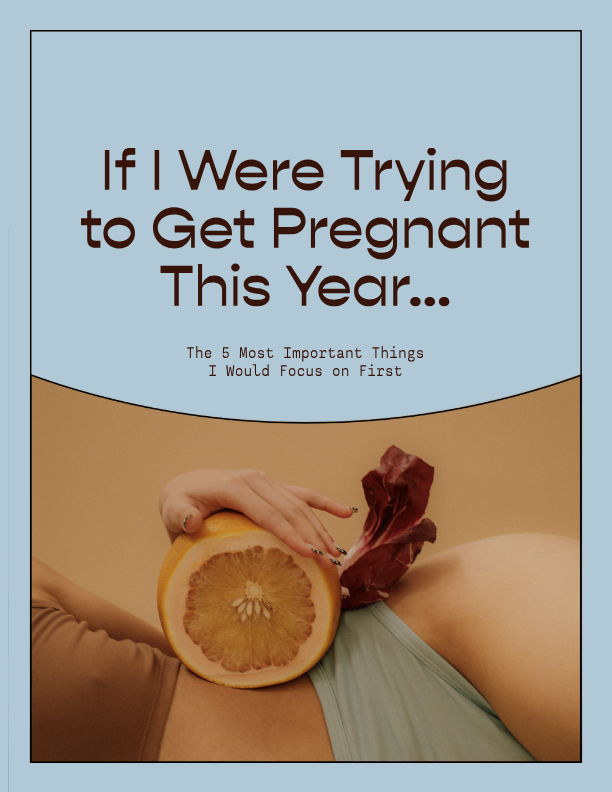

Ready to go deeper? Our Fertility Guide walks you through the five things to focus on first in your preconception window.
Want to turn this passion into a career? Our Fertility Certification trains you to support women and couples through every stage of the preconception and fertility journey.