
When Is a Baby Ready to Start Solids?
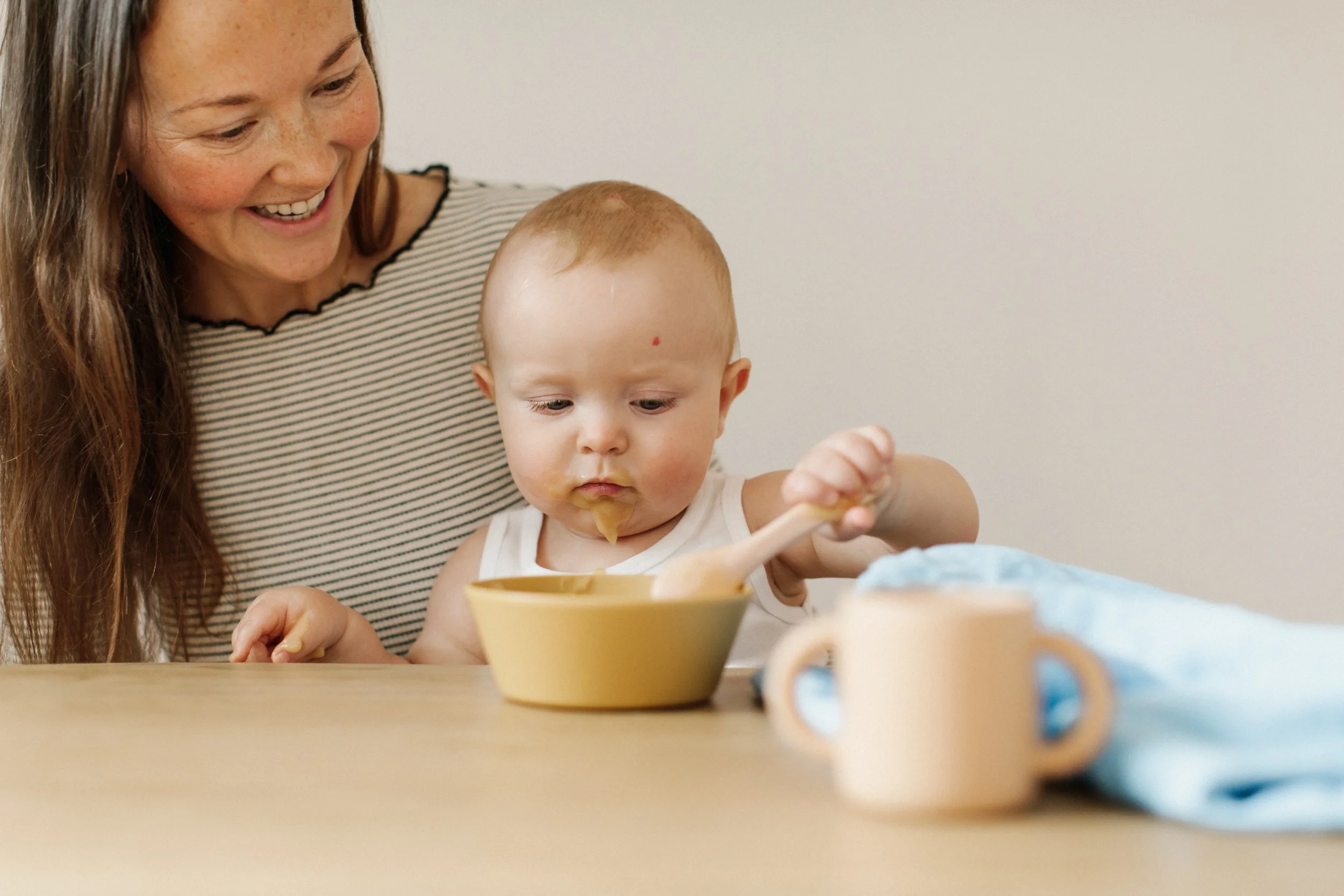
The Key Developmental Signs to Look For
These days, it’s widely agreed upon by major public health organizations that babies should be exclusively breast or formula-fed until around 6 months of age before introducing solid foods. While many babies begin showing signs of readiness for solids around this time, there are specific developmental milestones to look for to ensure your baby is truly ready.
You want to see that your baby:
Can sit up well with little or no support
Can turn their head to indicate they’ve had enough to eat
No longer automatically pushes solids out with their tongue (a sign the tongue-thrust reflex is diminishing)
Is ready and willing to chew, eager to participate in mealtime, and able to grasp food or objects and bring them to their mouth.
While all these signs your baby is ready for solids are important, sitting upright unassisted without the support of an adult, high chair, or other props is a key indicator that baby is developmentally ready to start solids.
Why Does Sitting Independently Matter So Much?
The entire digestive system (from where food enters to where it exits) relies on coordinated muscular contractions to move food safely through the body.
When your baby can sit with stability, it signals that their core and postural muscles are developing appropriately. Sitting is an external milestone that reflects internal readiness, including the strength and coordination needed to safely begin exploring solids.
It’s a safety mechanism: Upright positioning supports airway protection and safer swallowing during meals.
Reduces risk of choking: Improved trunk and head control reduces choking risk by allowing better coordination of chewing and swallowing.
They can better indicate fullness: With good trunk stability, they have better head and neck control, and they can lean forward or turn away when they’re full or disinterested.
Develops fine motor skills: Babies can participate more actively in meals — reaching, grasping, and bringing food to their mouth while maintaining upright posture without excessive fatigue.
How Stable Does a Baby Need to Be Before Starting Solids?
There’s often confusion about what sitting unassisted actually means.
Do they need to be sitting completely on their own, or can they be supported a little? What if they still topple over now and again?
When sitting independently, a little wobbliness and an occasional topple is alright. Though you definitely want to ensure they aren’t falling over constantly, and that they have good trunk support with strong head and neck control. You also want to see that they have the reflexes to use their arms to help prevent themselves from falling when seated.
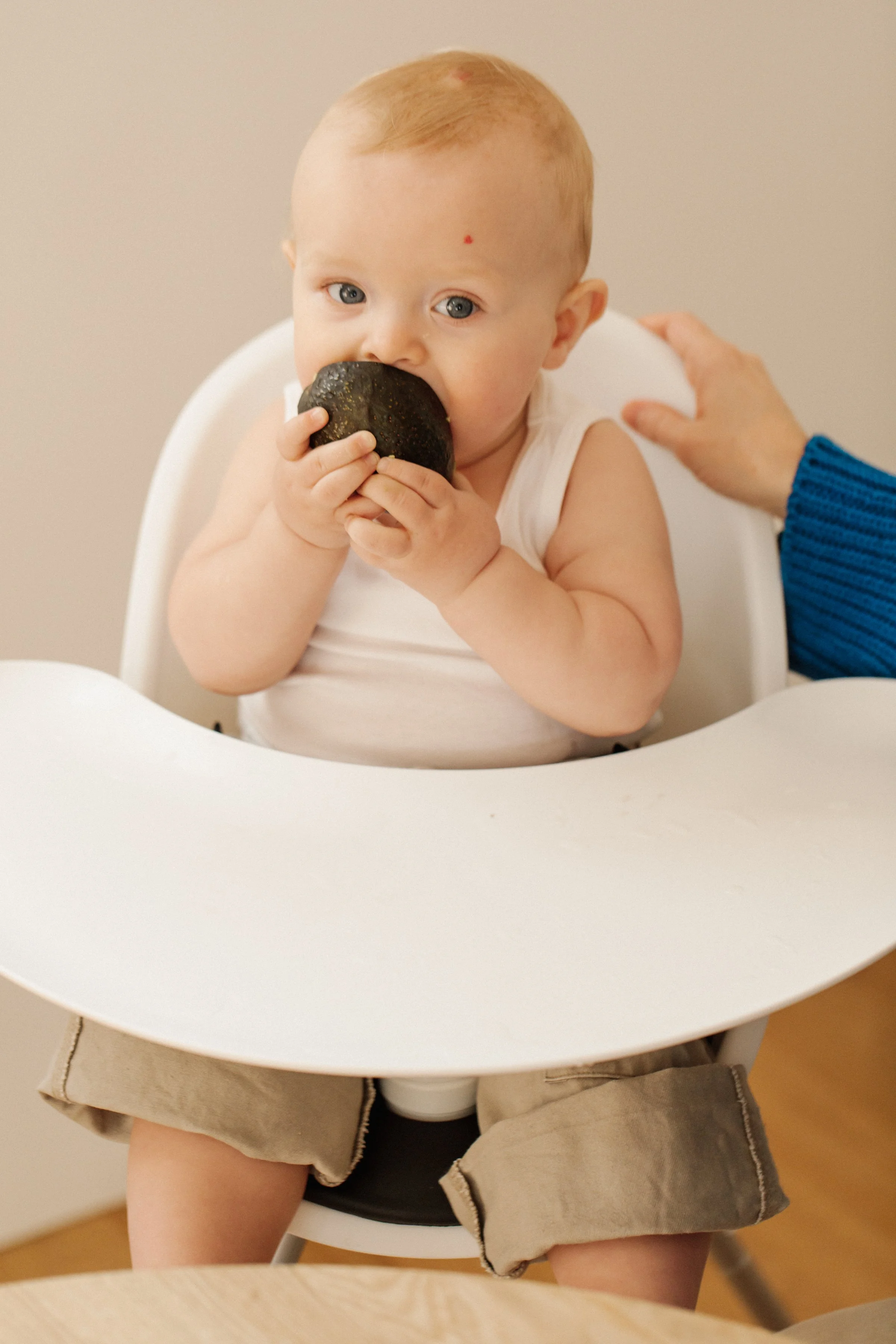
When in a high chair, a little leaning side to side on occasion in the early weeks is to be expected. However, you want to ensure they’re not slouching forward or continuously leaning to the side. If they lean over, you want to see that they’re able to correct themselves and return upright with their hips, knees, and feet all at 90° for the majority of the meal. If they’re unable to maintain proper upright posture, then they’re likely not ready for solids quite yet.
Signs Your Baby May Need More Time Before Starting Solids
They topple over easily when sitting unassisted
They slump over in a high chair and can’t hold themselves upright without leaning
Their head frequently bobs or slouches forward
They can’t turn their head/neck with stable control to indicate fullness
They frequently push food out of their mouth with their tongue
They can’t grasp and bring objects to their mouth
What to Do If Your Baby Topples Over
If you find your baby isn’t very stable, there’s no need to rush. If they are around 6 months, things can change quickly and they’ll likely be more confident sitting upright soon.
You don’t need to worry about “practicing” sitting — often, giving it a little more time is enough. That said, there are a few easy exercises to support your baby’s core strength.
Sit them between your legs on the floor, with your thighs gently supporting their hips. This provides stability while still allowing them to work on balance.
Encourage weight-shifting play, placing toys slightly to one side so they shift their weight and strengthen trunk muscles.
Incorporate tummy time, which builds the foundational neck, shoulder, and core strength needed for upright sitting.
Let them practice reaching while supported, helping them learn how to recover their balance in a safe and supported way.
When to Seek Support
While it’s recommended to wait to start solids until baby has met all of the developmental signs of readiness, for both nutritional and developmental reasons, introduction also shouldn’t be delayed for too long. If baby hasn't met all developmental signs of readiness by around 6.5 months, it can be helpful to check in with your health care provider. They can assess your little one and provide individualized guidance.
Please note, if your baby was born prematurely, they may also hit milestones at different times and have a unique timeline for starting solids.
Sitting is a developmental milestone, and starting solids is about readiness, not rushing. So trust the milestones. When you follow your baby’s cues, you support both safety and long-term feeding confidence.
Get Our Free Guide:
6 Uncommon Foods for Babies
Much more nutrient-dense than your typical first foods! These are 6 powerful foods that go beyond the basics.
Become a Certified Nutrition Consultant
Learn to holistically support mothers and babies through fertility, pregnancy, postpartum, and starting solids. Flexible, self-paced certification courses — rooted in traditional wisdom and supported by modern science.
